Beyond The Spray: The Effects of Pesticide Regulations
Check out my presentation on pesticides here: https://youtu.be/c0H05oq6jzg
INTRODUCTION
Nearly 50% of Americans think that organic food is produced with no pesticides (International Food Information Council, 2024). However, organic produce still uses pesticides, just a different type. Organic food uses organic pesticides made from bacteria; plants; and minerals, instead of synthetic chemicals, ultimately prioritizing health. According to the EPA, some pesticides, like organophosphates and carbamates, affect the nervous system while others may irritate the skin or eyes, be carcinogenic, or may affect the endocrine system in the body (Human Health Issues Related to Pesticides | US EPA, 2025). Knowing this, organic may just be the better choice. Yet organic produce is typically almost 50% more expensive than its nonorganic counterpart, promoting potentially harmful food for a cheaper price (Davis, 2025). Not only that, but the organic label has slowly become less and less truthful. In 2018, the Cornucopia Institute uncovered an “organic” corn and soybean meal shipment from Russia, Moldova and Kazakhstan. These countries are not approved to export raw seed oil because of concerns of contamination as set by the USDA (Bell and Evans, n.d.). The Pacific Research Institute states “[USDA’s Agricultural Marketing Service] has not established and implemented controls at U.S ports of entry to identify, track, and ensure that treated organic products are not sold, labeled, or represented as organic” (Pacific Research Institute, 2022).While organic seemed like a step towards healthier produce, it is only seeming to back track from its original message.
It’s easy to say that the health issues caused by pesticides can be resolved by banning them all together, however, being raised by someone in the cotton industry has taught me that the reality is that pesticides play a very important role in modern agriculture as they’re applied to crops to protect them from bugs, weeds and pests to improve yield and help with the preservation of food and prevention of diseases (Kaur 2024). Thus, pesticides cannot simply disappear with no consequences. This article will dive into the pesticide regulation done by the Environmental Protection Agency as well as the effects of this regulation towards health and consumer behavior.
INERT INGREDIENTS
Looking at the packaging of a pesticide container, you will usually see one to five ingredients listed. These ingredients are the active ingredients and make up only around 5% of the actual pesticide formulation. The rest of the formulation is composed of inert ingredients, and purposefully remain undisclosed because they’re “trade secrets”. Inert ingredients are defined as anything other than an active ingredient: emulsifiers, solvents, carriers, aerosol propellants, fragrances, dyes, etc. Inert ingredients can actually change the toxicity of active ingredients. High Garden gives an example, “Ethylene chloride, a nerve poison, is an example of an inert ingredient linked with damage to the heart, eyes, liver, and adrenal glands” (High Garden Tea, n.d.).
The EPA regulates the list of approved inert ingredients and uses the data provided by the manufacturer of the pesticide to assess the toxicity of the pesticide. Under the Federal Insecticide Fungicide and Rodenticide Act (FIFRA), the EPA is under no obligation to review studies not done by the manufacturer (U.S. EPA, 2024). On the approved inert ingredients list, two-thirds of inert ingredients are classified as unknown toxicity. Sixty of these ingredients cause cancer, reproductive effects, birth defects and neurotoxicity or other chronic effects; another 60 are classified as “potentially toxic” (High Garden Tea, n.d.).
My research found that the majority of consumers do not know what inert ingredients are. This example was used in a survey I performed:
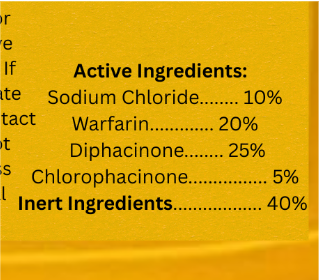
Figure 1. Option 1 of the survey. Contains less toxic ingredients in a higher concentration with 40% inert ingredients. Chosen by 28% of respondents; this was the least toxic rodenticide.
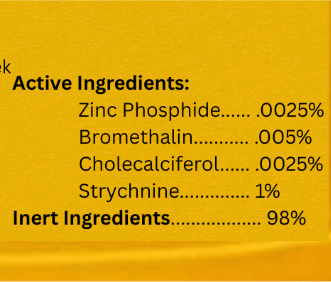
Figure 2. Option 3 of the survey. Contains toxic ingredients but at lesser concentrations with 98% inert ingredients. Chosen by 47% of respondents; this was not the least toxic rodenticide.
This question tested how respondents made their decisions when it came to differences in solely the ingredients. According to the survey results, most consumers chose the pesticide with the highest concentration of inert ingredients, thinking that it was the least toxic one, over a pesticide with higher concentration of safer ingredients. However, this conclusion is incorrect as inert ingredients are not a dilution of the active ingredients. Inerts can actually change the toxicity of the pesticide. So a rodenticide with very deadly active ingredients at seemingly low concentrations can still be more toxic than less deadly ingredients of higher concentrations.
Another question in the survey assessed the amount of people who looked up the ingredients of each pesticide option provided, used preexisting knowledge or just guessed. Some respondents who looked up the ingredients still chose Option 3, leading to the assumptions that, one, they felt inert ingredients were more important to a pesticide’s toxicity than the toxicity of the active ingredients or two, those who looked up the ingredients had little access to correct, understandable information when it came to the toxicity of the active ingredients. Either way, this survey proved that consumers know very little about the pesticides they constantly come into contact with.
MARKETING & REGULATING PESTICIDES
The marketing teams of pesticide manufacturers use some strategic tactics to make their products appeal to customers. For example, the bright packaging and advertisement of quick fixes like, “kills wasps in minutes!”, and then, in tiny letters Grandma can’t read, it notes, “*300 minutes*”. The Figure 3, as shown below, is an example.
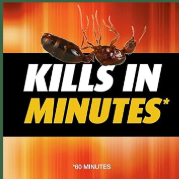
Figure 3. The packaging of Orthene, a fire ant killer. Displays the quick fix of killing ants in minutes then indicates it takes an hour.
Using wordplay such as “reduced-risk formulation” and “pollinator-conscious formulation” on packaging can make buyers believe a specific formulation is safer for the environment when in reality it may not be. In addition, pesticide marketing blames the hazardous effects on the user. Phrases like “safe when used as directed”, frames the product as if the toxic effects can only happen when not used properly. And while not following the directions on pesticide packaging can lead to an increased risk of harm, even when used as directed a pesticide is still made to be toxic to living organisms. The EPA encourages companies with toxic active and/or inert ingredients to put “caution”, “warning” or “danger” on their packaging (BiologyInsights Team, 2025). But not only is the line between what is toxic and what is not is not standardized, are these warnings really enough to cover how harmful pesticides can be? According to the U.S. Government Accountability Office, Congress has been told on multiple occasions that the public is consistently misled on the true safety of pesticides by statements characterizing pesticides as “safe” or “harmless”. But it is clear that these marketing strategies are working because pesticide sales have only continued to increase and the industry averaged 80 million USD in 2024 and is expected to reach 105,580 million USD by 2032 (Intel Market Research, 2025).
PESTICIDES AT HOME
This section will go over some ingredients listed in these common at-home-use products.
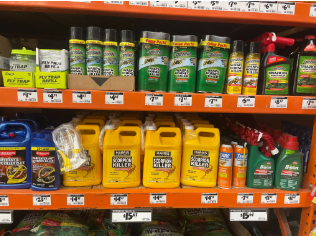
Figure 4A and 4B- The shelves at Home Depot in the pesticide and herbicide section.
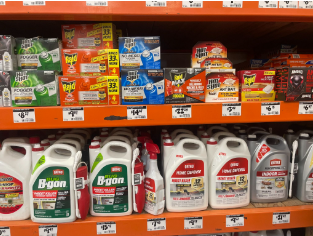
Cypermethrin, the active ingredient in several Raid products pictured above, is classified under Pyrethroid insecticides. The chemical has been reported to cause neurological (tremors or coordination problems), gastrointestinal symptoms and even reproductive toxicity (Sheepers et al., 2023) (What Are the Side Effects of Cypermethrin?, n.d.). These effects can happen through inhalation, ingestion or dermal contact and the lethal oral dose is 1-10g (Wikipedia contributors, 2025) (Shilpakar & Karki, 2020). The lowest exposure known to cause side effects including dizziness, nausea and facial paresthesia is 0.005 to 2.0 µg/m3. After testing 20 creeks in California, most of those creeks were above the toxicity threshold for sensitive invertebrates and the Hyalella azteca in the creek had shown acute toxicity (Bennett et al., 2002). As for the environment, Cypermethrin is highly toxic to fish, bees and aquatic insects in the laboratory, however, Science Direct noted that Cypermethrin is not a significant hazard to aquatic organisms just from ground-based application spray drift because of its low water solubility and high binding to soil (Crossland et al., 1982).
Tetramethrin, an active ingredient in many insecticides and may, according to the New Jersey Department of Health, damage vital organs, most notably the liver. In addition, this ingredient can cause dermatitis, endocrine issues and is specifically noted to cause estrogen-antagonistic effects in females (Right to Know Hazardous Substance Fact Sheet: TETRAMETHRIN, 2011). This alone may cause vaginal dryness, hot flashes, the loss of bone (osteoporosis), joint pain and mood swings. The EPA recognizes Tetramethrin as a “possible human carcinogen” and is dangerous because it can be absorbed through the skin and yet there is no occupational exposure limit set by the EPA. In addition, Tetramethrin has been classified as a Highly Hazardous Pesticide Type because of a high aquatic toxicity (where acute ecotoxicity for fish, invertebrates or algae =< 0.1 mg l⁻¹) (University of Hertfordshire, n.d.).
Piperonyl Butoxide, a man-made synergist for the ingredients in insecticides, specifically JT Eaton and Harris products. For those of you who don’t know, synergists themselves are not made to harm the insects, instead they work alongside the other ingredients to increase their effectiveness by stopping the enzymes the insects make to break down the insecticide, giving it time to work. Shampoos or lotions may contain PBO to treat head lice. Some foods may be treated with Piperonyl Butoxide after they’re harvested, including almonds, tomatoes, wheat, and animal meat. The National Pesticide Information Center states that lab studies have mixed results. Rodents fed high doses of PBO for 1-2 years had increased liver cancers and tumors. Two additional lab studies recorded cancer-related effects in the intestines and thyroid glands. However, studies by the National Toxicology Program did not detect increases in cancer with rats and mice (Piperonyl Butoxide General Fact Sheet, n.d.). Not only that but Piperonyl Butoxide has been found to have negative effects on exploratory behavior, development, birth, embryo development, and male fertility. Because of these studies, the EP classified Piperonyl Butoxide as a “possible human carcinogen” and showed that products containing both pyrethrins and Piperonyl Butoxide increase the risk for moderate and major respiratory symptoms than by just pyrethrins alone (Vardavas et al., 2025).
Gamma-Cyhalothrin, found in some Spectracide products sold at Home Depot, are harmful by inhalation. Side effects include liver toxicity, neurotoxicant and reproduction/development effects. Dried peppers contain 3 mg/kg of cyhalothrin, rice and table olives contain 1 mg/kg, straw and hay of cereal grains contain 2 mg/kg. The WHO marks the acceptable daily intake for λ-cyhalothrin as 0–0.02 mg/kg per day (University of Hertfordshire, n.d.). While cyhalothrin is inherently highly toxic to many fish and aquatic invertebrate species, as well as bees, as .04mg can be fatal, it has a low chance of contaminating groundwater due to its low solubility (Wikipedia contributors, 2025).
Imiprothrin, an active synthetic insecticide ingredient, has been associated with disorders and diseases such as liver injury, chromosome aberrations, and kidney diseases (PubChem, n.d.). Santa Cruz Biotechnology states, “Exposure to the material may cause a possible risk of irreversible effects. The material may produce mutagenic effects in man…” (“Material Safety Data Sheet,” n.d.). Highly toxic to fish and aquatic invertebrates, toxic to algae and low toxicity to birds so “avoid release to the environment” (Sumitomo Chemical Australia Pty Ltd, n.d.) (“Material Safety Data Sheet,” n.d.).
Each pesticide has its own unique characteristics and drawbacks. It's important for the consumer to remember that even though modern technology is very effective, a pesticide is not 100% safe for children or pets. Scientific studies found pesticide residues such as the weedkiller 2,4-D and the insecticides inside homes, due to drift and track-in, where they contaminate air, dust, surfaces and carpets and expose children to levels 10x higher than pre-application levels. The EPA states, “80% of most people's exposure to pesticides occurs indoors and that measurable levels of up to a dozen pesticides have been found in the air inside homes”. Journal of the National Cancer Institute finds home and garden pesticide use can increase the risk of childhood leukemia by 30-50% (Bailey et al., 2015).
PESTICIDES IN FIELDS
Iowa has the second-highest rate of cancer in the nation and is only one of two US states where cancer is increasing (Figure 5). The National Cancer Institute found that leukemia, and cancers in the pancreas, breast, kidney, thyroid and uterus were the fastest rising in Iowa (Gillam, 2025). And while Iowa has alcohol and smoking problems, Investigate Midwest states that the environment is a major factor in their rising cancer rate (Elkadi, 2026).
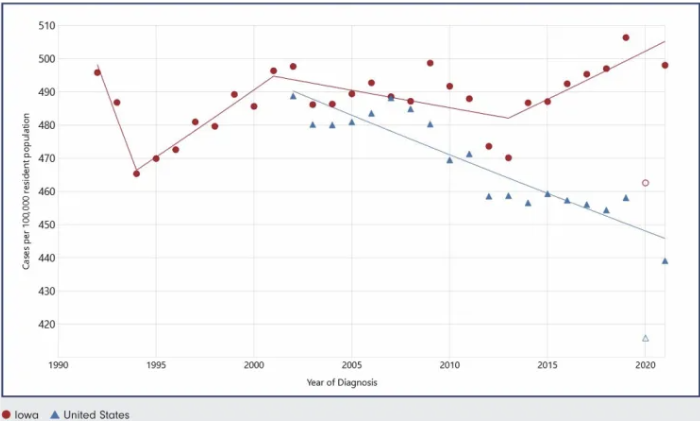
Figure 5. Sentient Media. March 25, 2026. “Iowa’s High Cancer Rate Linked to Nitrate, Pesticides, PFAS and Radon, New Report Finds”. Depicts the cancer cases in Iowa vs United States from 1990 to 2020.
86% of Iowa is used for agriculture. According to the Iowa Starting Line, Iowa uses 53 million pounds of pesticides per year, more than any other state in the U.S. (Iowa Starting Line, 2025). It's worth noting that 80% of the nitrogen and phosphorus found in soil and water in Iowa is from agricultural sources, specifically fertilizer. In addition, 60% of the areas were between 5-10mg/L of nitrate and .08% of the areas were at or above the 10mg of nitrate/L federal limit. As shown by the graph below (Figure 6), as fertilizer usage has increased over the past years, so have the violations of the federal limit of nitrate in Iowa.
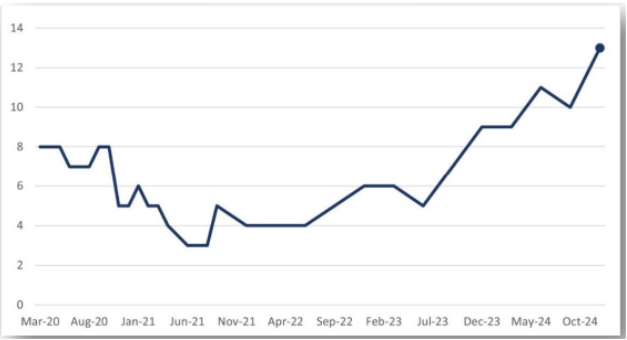
Figure 6- Polk County. n.d. “Currents of Change”. Number of violations of 10mg/L of nitrate from October 2020 to October 2024.
Not only has fertilizer usage increased, but also pesticide use over the last few decades. According to Figure 7A, Glyphosate is the most commonly used pesticide in Iowa, with Acetochlor and Atrazine in second and third, respectively. Pesticides used to coat corn and soybean seeds, called neonicotinoid pesticides, are also widely used (Gilliam 2025).
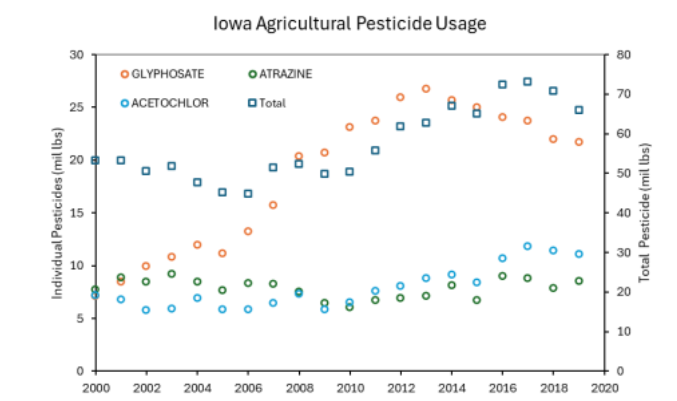
Figure 7A- Polk County. n.d. “Currents of Change”. Different pesticides used in Iowa from 2000-2020.
Testing continued with a pesticide sampling study of Iowa’s water done in 2000 recorded their findings below (Figure 7B).
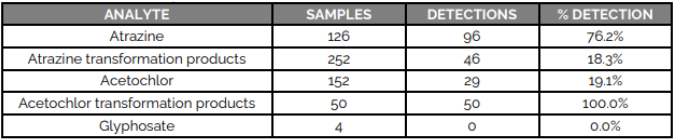
Figure 7B- Polk County. n.d. “Currents of Change”. Percent detection of each pesticide in the Raccoon River.
Atrazine had the highest detection percentage out of the three herbicides because it has a very low soil binding, meaning it can readily contaminate drinking water and can last for decades. In contrast, Glyphosate has a high soil binding and does not contaminate drinking water easily. This study also noted that higher levels of Atrazine and Acetochlor occurred in the river during storm events after planting in the spring as a result of high water (“Currents of Change,” n.d.). While examining the relationship between cancer and drinking water contamination in Ontario, the rates of stomach cancer were positively associated with concentrations of Atrazine (INTERACTION PROFILE FOR: ATRAZINE, DEETHYLATRAZINE, DIAZINON, NITRATE, AND SIMAZINE, 2006).
The contamination of groundwater shouldn’t be ignored. 50% of the U.S.’ drinking water is from the ground and this number rises to 95% in agricultural areas (Pesticides In Groundwater, 2018). The Cornell University Cooperative Extension states “cleanup of groundwater contaminated by pesticides is usually impossible. The slow movement of groundwater means that it may take decades for the contaminated water to flow beyond the affected wells. Determining which wells will be affected and for how long is a difficult problem” (Hancock, 2016). This problem is clearly shown through 1, 2-dibromo-3-chloropropane (DBCP). DBCP was suspended from agricultural use in 1977 and samples were taken all over the Central Valley, California years later. In 1993, researchers found 50% of samples taken were over the Maximum Contamination Limit set by the EPA. Then, in 2023 the researchers found that only 15% of samples were over the Maximum Contamination Limit for DBCP. Still, this pesticide was found in the water 45 years after its usage had stopped and this trend isn't limited to just DBCP. There are many pesticides that contaminate groundwater due to their low soil binding properties.
THE EPA & ATRAZINE
Sullivan and Spence 2003 found that Atrazine can alter the genetic characteristics of frogs. Even at low doses, frogs were developing female organs and could eventually reproduce with male frogs. Realistic concentrations of Atrazine in water (>1 µg/L -<100 µg/L) had a negative impact on amphibian metamorphosis and Atrazine mixed with other chemicals in water exerted inconsistent side effects (Sullivan and Spence, 2003). Recognizing these effects, in October 2003 the European Union banned Atrazine after a rigorous and lengthy 3-year scientific review which revealed major health concerns and consistent water pollution, the same month the EPA approved its continued use (Hancock, 2023). The EU found that Atrazine, although a common herbicide, disrupts endocrine activity and found building evidence that it causes cancer and interferes with reproduction and development. And as mentioned previously, Atrazine can readily contaminate drinking water, so since the EU couldn’t keep the contamination to a level they deemed safe, it was banned. Atrazine is still used in the United States so let’s look at why. To assess a pesticide, the EPA does Risk Assessment Studies which basically considers factors such as the likelihood of exposure to what amount of a population, at what concentration and of course- the money. In order for the EPA to conduct a Risk Assessment study, the manufacturer of that pesticide is required to perform guideline studies For example, if a pesticide is neurotoxic there is a specific guideline study to assess neurotoxicity. These studies are good in that they produce standardized results but lack the ability to assess the unique risks of each pesticide. To add, it can take over five years to make a new guideline study.
Another problem with how the EPA assesses the dangers of a pesticide is it only looks at studies provided by the manufacturer. Not only does this lead to a pretty narrow scope of the pesticide but also can lead to some shady things… In the case of Atrazine, after reviewing procedures and submitted documents, Dr. Sass and Colangelo reported “efforts by the manufacturer of Atrazine, Syngenta, to influence the U.S. Atrazine assessment, by submitting flawed scientific data as evidence of no harm, and by meeting repeatedly and privately with EPA to negotiate the government's regulatory approach” (Sass and Colangelo, 2006). Delzell et al. 2001, which examined prostate cancer and Atrazine’s relationship as part of a risk assessment, was sponsored by Syngenta (the primary manufacturer of Atrazine), the authors were paid consultants of Syngenta, and the Atrazine manufacturing plant under investigation was owned by Syngenta (Sass and Brandt-Rauf, 2003).
SOLUTIONS
The solutions to the problems pesticides have caused isn’t a magical quick fix that’s going to happen overnight. People who have suffered the side effects may not recover and some pesticides can persist in the soil and water for decades. However, this doesn’t mean that nothing should be done about pesticides just because the problem is widespread. Many are quick to go after farmers, saying the negative effects of pesticides on the environment are farmers’ fault. In actuality, farmers could take all the necessary precautions, follow the pesticide’s instructions, and more and can still end up contaminating the environment. The pesticide industry is a multimillion dollar industry, but is it pragmatic to eliminate pesticides altogether? No. However, reducing pesticide pollution is vital to human and environmental health. Crop rotation, strip cropping, reduced tillage system and riparian buffers are suggested for farmers to reduce pesticide transport (Hancock, 2023). Also, new technology like the John Deere See and Spray which uses AI to target weeds can reduce pesticide air pollution. Many insecticides are very toxic for bees so the Environmental Protection Agency recommends that all outdoor insecticides should be applied at night to avoid coming into contact with bees (Tips for Reducing Pesticide Impacts on Wildlife, 2025). According to court rulings, many pesticides now require full biological reviews to protect endangered species and regulators are now helping to advise farmers where/how to spray their pesticides to mitigate stream contamination. In addition, it's very important to always check for leaks in pesticide containers to avoid spills. If there a container is unused or some is left over, take it to your local hazardous waste disposal facility as dumping them down the drain, into waterways, or in the trashcan is illegal (Urban Pesticides, Fertilizers, and Water Quality, n.d.).
To minimize current pesticide pollution scientists have examined fungi as a natural remedy. Studies like Yadav and Mishra, 2025 and Yadav et al., 2021, have already found that fungi can biodegrade commonly used pesticides like Atrazine. Through “enzymatic bioremediation, microbial catabolism, and microbial mineralization”, fungi could be the future of pesticide bioremediation (Huang et al., 2018; Zhang et al., 2021) (Yadav et al., 2025).
But now for the big one- pesticide regulation. While making independent researchers assess the toxicity of a pesticide and submit it to the EPA would avoid bias, it is unrealistic as the manufacturer should be responsible for paying for the study of its own product. However, regulatory requirements like more studies on the effects on different animals (not just the endangered) that can come in contact with the pesticide (like aquatic animals for a low soil binding pesticide) are recommended. Also, the EPA can enforce stricter rules for the labeling on a pesticide’s packaging and can educate users on how to choose the least toxic pesticide. Ultimately, education is the first step forward.
CITATIONS
7 CFR Part 205 Subpart G -- Administrative. (2026, May 15). Ecfr.gov. https://www.ecfr.gov/current/title-7/subtitle-B/chapter-I/subchapter-M/part-205/subpart-G#se7.3.205_1601
About Pesticide Registration | US EPA. (2024, November 6). US EPA. https://www.epa.gov/pesticide-registration/about-pesticide-registration
Australia, S. (n.d.). Imiprothrin 50% MATERIAL SAFETY DATA SHEET Imiprothrin 50%. Sumitomo Chemical. https://sumitomo-chem.com.au/sites/default/files/sds-label/imiprothrin_50_msds_sept_2014.pdf
Bailey, H. D., Infante‐Rivard, C., Metayer, C., Clavel, J., Lightfoot, T., Kaatsch, P., Roman, E., Magnani, C., Spector, L. G., Petridou, E. T., Milne, E., Dockerty, J. D., Miligi, L., Armstrong, B. K., Rudant, J., Fritschi, L., Simpson, J., Zhang, L., Rondelli, R., . . . Schüz, J. (2015). Home pesticide exposures and risk of childhood leukemia: Findings from the childhood leukemia international consortium. International Journal of Cancer, 137(11), 2644–2663. https://doi.org/10.1002/ijc.29631
Crossland, Shires, & Bennett. (2002). Aquatic toxicology of cypermethrin. III. Fate and biological effects of spray drift deposits in fresh water adjacent to agricultural land. Elsevier, 2(5-6). ScienceDirect. https://doi.org/10.1016/0166-445X(82)90015-7
Currents of Change: An Analysis of the Raccoon and Des Moines In Central Iowa Rivers. (2025). Polk County. https://www.polkcountyiowa.gov/media/lixlchbz/ciswra-currents-of-change_final-scientific-assessment-of-source-water-research-report_jun272025.pdf
Cypermethrin. (2020, October 12). Wikipedia. https://en.wikipedia.org/wiki/Cypermethrin\
Davis, M. (2025, April 7). Analysis: Organic vs. Conventional Food Prices. LendingTree. https://www.lendingtree.com/debt-consolidation/organic-vs-conventional-study
Dinner, D. T., & Kaufman, H. (2019, December 9). 5 Surprising Facts about Our Organic Foods - Dirt to Dinner. Dirt to Dinner. https://dirt-to-dinner.com/what-does-organic-really-mean/
Elkadi, N. (2026, March 25). Iowa’s High Cancer Rate Linked to Nitrate, Pesticides, PFAS and Radon, New Report Finds. Sentient. https://sentientmedia.org/iowas-high-cancer-rate-linked-to-nitrate-pesticides-pfas-and-radon/
Gillam, C. (2025, July 4). “It doesn’t have to be this way” – Scientists confirm Iowa farm pollution is creating dire health risks. Investigate Midwest. https://investigatemidwest.org/2025/07/03/it-doesnt-have-to-be-this-way-scientists-confirm-iowa-farm-pollution-is-creating-dire-health-risks/
Hancock, N. (2016, December 11). Safe Drinking Water Foundation. Safe Drinking Water Foundation. https://www.safewater.org/fact-sheets-1/2017/1/23/pesticides
Hertfordshire, U. of. (2026, May 10). Gamma-cyhalothrin (Ref: DE 225). Sitem.herts.ac.uk; Pesticide Properties Database. https://sitem.herts.ac.uk/aeru/ppdb/en/Reports/369.htm
Inert or “Other” Ingredients. (2024). Orst.edu. https://npic.orst.edu/factsheets/inerts.html
Intel Market Research. (2025, December 8). Intelmarketresearch.com. https://www.intelmarketresearch.com/pesticides-market-11077
INTERACTION PROFILE FOR: ATRAZINE, DEETHYLATRAZINE, DIAZINON, NITRATE, AND SIMAZINE. (2006). U.S. Department of Health and Human Services Public Health Service . https://www.atsdr.cdc.gov/interaction-profiles/media/pdfs/ip10.pdf
Iowa Starting Line. (2026, April 23). The link between pesticides and cancer. Iowa Starting Line. https://iowastartingline.com/newsletter/archive/iowa-starting-line-newsletter/the-link-between-pesticides-and-cancer/
Kaur, R., Choudhary, D., Bali, S., Bandral, S. S., Singh, V., Ahmad, M. A., Rani, N., Singh, T. G., & Chandrasekaran, B. (2024). Pesticides: An alarming detrimental to health and environment. Science of the Total Environment, 915, 170113. https://doi.org/10.1016/j.scitotenv.2024.170113
MacLennon, P., Delzell, E., Sathiakumar, N., Myers, S., Cheng, H., Grizzle, W., Chen, V., & Wu, X. C. (2002, November). Cancer Incidence Among Triazine Herbicide Manufacturing... : Journal of Occupational and Environmental Medicine. Journal of Environmental and Occupational Medicine. https://journals.lww.com/joem/abstract/2002/11000/cancer_incidence_among_triazine_herbicide.11.aspx
Pesticides in Groundwater. (2018, October 9). USGS. https://www.usgs.gov/water-science-school/science/pesticides-groundwater
Pesticides: Background. (2020, July 6). Superfund Research Center. https://superfund.arizona.edu/resources/learning-modules-english/pesticides/background
Piperonyl Butoxide General Fact Sheet. (2017, February). Orst.edu; National Pesticide Information Center. https://npic.orst.edu/factsheets/pbogen.html
PubChem. (n.d.). Imiprothrin. Pubchem.ncbi.nlm.nih.gov; National Library of Medicine. https://pubchem.ncbi.nlm.nih.gov/compound/Imiprothrin
Public Perceptions of Pesticides & Produce Consumption. (2024). International Food Information Council. https://foodinsight.org/wp-content/uploads/2024/04/2024-IFIC-Spotlight-Survey_Pesticides-Produce-Consumption.pdf
Report on Pesticide Contamination of Nation’s Groundwater Shows Widespread Exposure and Health Threats - Beyond Pesticides Daily News Blog. (2025, October 15). Beyond Pesticides Daily News Blog. https://beyondpesticides.org/dailynewsblog/2025/10/report-on-pesticide-contamination-of-nations-groundwater-shows-widespread-exposure-and-health-threats/
Right to Know Hazardous Substance Fact Sheet-Dioxo-2H-Isoindol-2- yl) Methyl Ester. (2011). New Jersey Department of Health. https://nj.gov/health/eoh/rtkweb/documents/fs/3745.pdf
Sass, J. B., & Colangelo, A. (2006). European Union bans atrazine, while the United States negotiates continued use. International Journal of Occupational and Environmental Health, 12(3), 260–267. https://doi.org/10.1179/oeh.2006.12.3.260
Sass, J., & Brandt-Rauf, P. W. (2003). Cancer Incidence Among Tiazine Herbicide Manufacturing Workers. Journal of Occupational and Environmental Medicine, 45(4), 343–344. https://doi.org/10.1097/01.jom.0000063624.37065.7a
Scheepers, L. D., Freercks, R., & Merwe, E. van der. (2023). Acute cypermethrin and other pyrethroid poisoning – An organophosphate-like poisoning: A case report and review. Toxicology Reports, 11, 107–110. https://doi.org/10.1016/j.toxrep.2023.06.013
Sullivan, K. B., & Spence, K. M. (2003). Effects of sublethal concentrations of atrazine and nitrate on metamorphosis of the African clawed frog. Environmental Toxicology and Chemistry, 22(3), 627–635. https://pubmed.ncbi.nlm.nih.gov/12627652/
Supplier, N., & Flammability, M. (2011). Material Safety Data Sheet Imiprothrin Section 1 -CHEMICAL PRODUCT AND COMPANY IDENTIFICATION PRODUCT NAME Imiprothrin STATEMENT OF HAZARDOUS NATURE CONSIDERED A HAZARDOUS SUBSTANCE ACCORDING TO OSHA 29 CFR 1910.1200. Section 2 -HAZARDS IDENTIFICATION CHEMWATCH HAZARD RATINGS. In Data Sheets. Santa Cruz Biotechnology, Inc. https://datasheets.scbt.com/sds/wpna/en/sc-235352.pdf
University of Hertfordshire. (2026, November 5). Tetramethrin (Ref: ENT 27339). Herts.ac.uk; Pesticide Properties Database. https://sitem.herts.ac.uk/aeru/ppdb/en/Reports/628.htm#none
Urban Pesticides, Fertilizers, and Water Quality / Home and Landscape / UC Statewide IPM Program (UC IPM). (2015). Ucanr.edu. https://ipm.ucanr.edu/home-and-landscape/urban-pesticides-fertilizers-and-water-quality/#gsc.tab=0
US EPA. (2015a, August 11). Human Health Issues Related to Pesticides | US EPA. United States Environmental Protection Agency. https://www.epa.gov/pesticide-science-and-assessing-pesticide-risks/human-health-issues-related-pesticides
US EPA, O. (2015b, August 10). Tips for Reducing Pesticide Impacts on Wildlife. Epa.gov. https://www.epa.gov/safepestcontrol/tips-reducing-pesticide-impacts-wildlife#household
Vardavas, A. I., Tsitsimpikou, C., & Tsatsakis, A. M. (2025). Piperonyl Butoxide: Friend or hidden foe? Public Health and Toxicology, 5(1), 1–3. https://doi.org/10.18332/pht/202100
Vijayaraj, V., Laviale, M., Allen, J., Amoussou, N., Hilt, S., Hölker, F., Kipferler, N., Leflaive, J., López Moreira M, G. A., Polst, B. H., Schmitt-Jansen, M., Stibor, H., & Gross, E. M. (2022). Multiple-stressor exposure of aquatic food webs: Nitrate and warming modulate the effect of pesticides. Water Research, 216, 118325. https://doi.org/10.1016/j.watres.2022.118325
Weston, D. P., & Lydy, M. J. (2010). Urban and Agricultural Sources of Pyrethroid Insecticides to the Sacramento-San Joaquin Delta of California. Environmental Science & Technology, 44(5), 1833–1840. https://doi.org/10.1021/es9035573
What Are Inert Ingredients and Are They Safe? (2025, August 19). Biology Insights. https://biologyinsights.com/what-are-inert-ingredients-and-are-they-safe/
What are the side effects of Cypermethrin? (2024, July 14). Patsnap.com. https://synapse.patsnap.com/article/what-are-the-side-effects-of-cypermethrin
Wikipedia Contributors. (2026, March 12). Cyhalothrin. Wikipedia; Wikimedia Foundation. https://en.wikipedia.org/wiki/Cyhalothrin#Human_safety
Yadav, P., Chivate, M. S., Yadav, V. K., & Mishra, V. (2025). Pesticide pollution and mycoremediation: A review of classification, ecotoxicity, health impacts, and multi-omics approaches. Bioresource Technology Reports, 31, 102295. https://doi.org/10.1016/j.biteb.2025.102295
